01 / Menu architecture
Fine-Dining Concepts & Tasting Menus
Explore the structure of tasting menus, the rhythm of a meal, portion progression, seasonal menus, and the relationship between courses.
Explore the guideCulinary journal / field notes 01
THE ART OF THE TABLE
Explore tasting menus, thoughtful culinary techniques, remarkable ingredients, contemporary presentation, and the atmosphere that makes a dining experience memorable.
Ingredients → Technique → Presentation → Atmosphere → Experience
An independent culinary journal
Fine dining is more than a beautiful plate. It is a conversation between the season, a cook’s decisions, the room around you and the people who bring the meal to the table. We look closely at each part—without losing sight of the pleasure of eating.
The field guide
Considered reading on the choices that shape a memorable meal.
01 / Menu architecture
Explore the structure of tasting menus, the rhythm of a meal, portion progression, seasonal menus, and the relationship between courses.
Explore the guide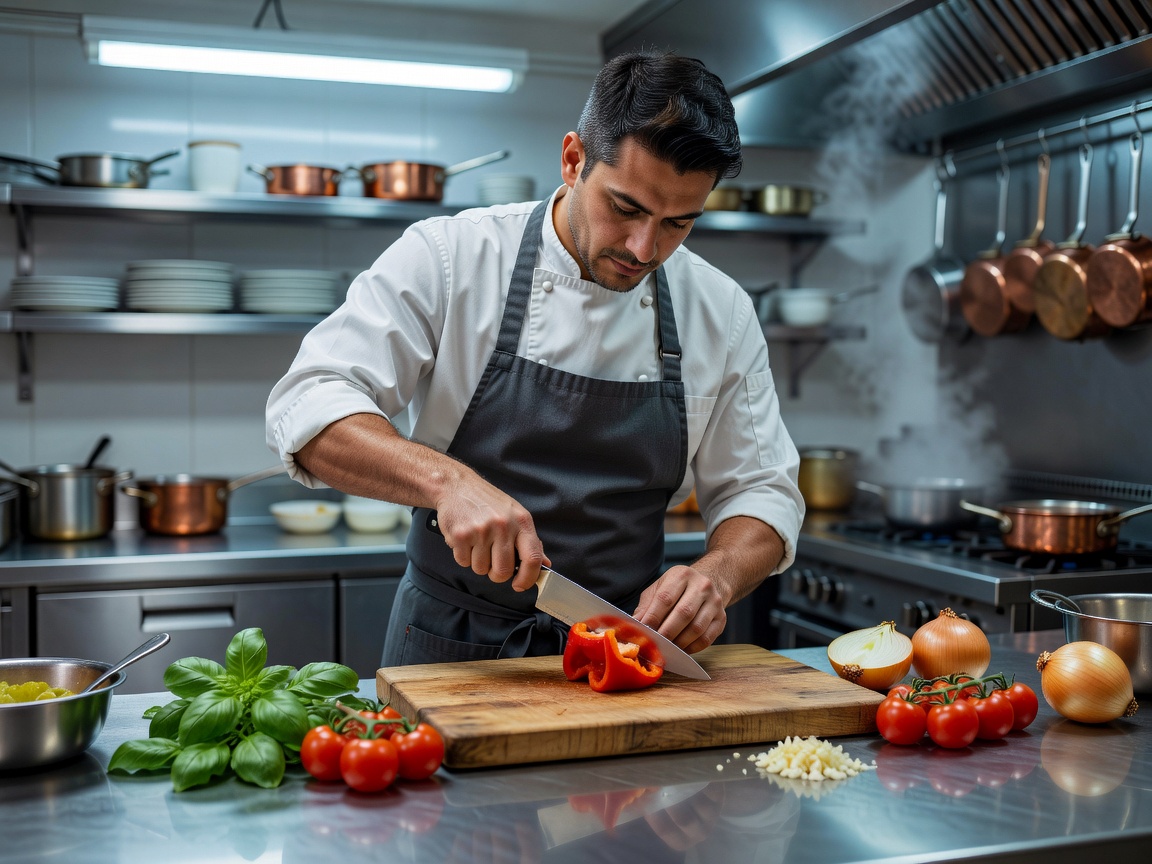
02 / Ingredient to plate
Discover how ingredient selection, temperature, texture, seasoning and skilled preparation shape contemporary cooking.
Explore the guide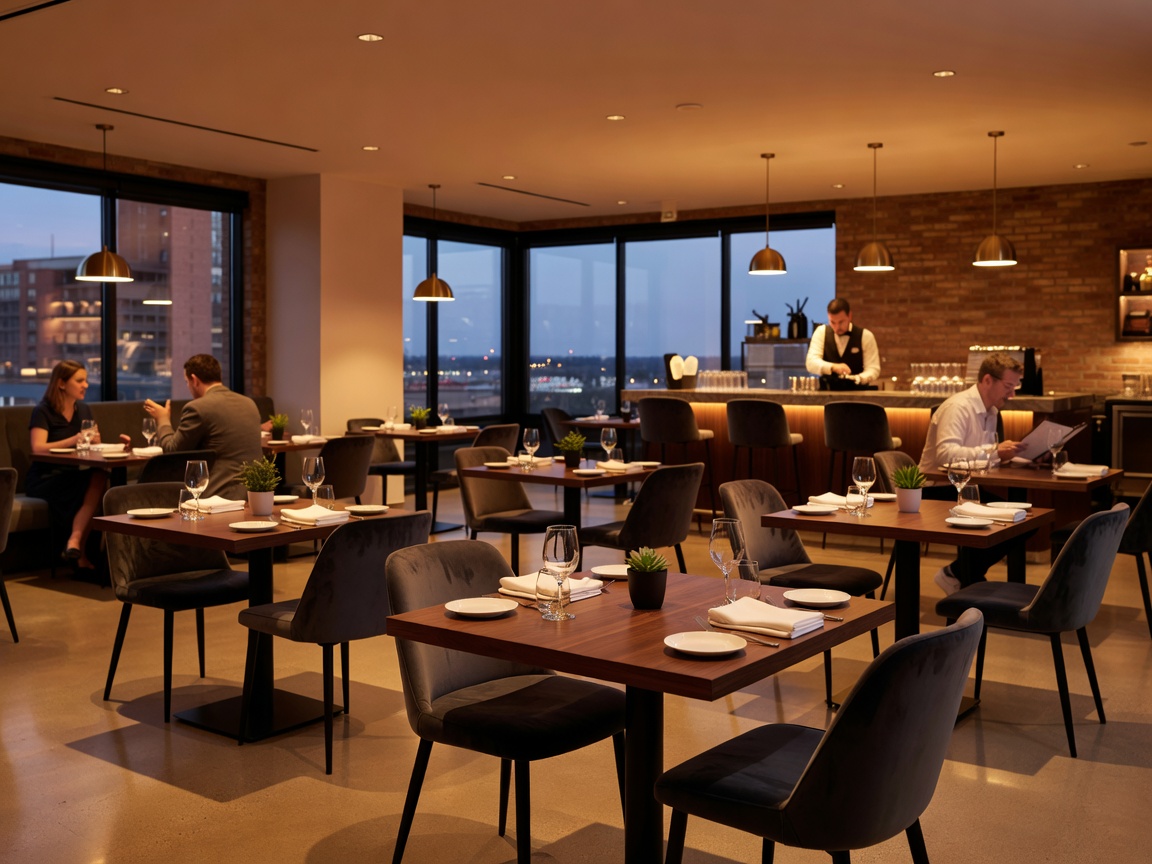
03 / The room around you
Consider how lighting, acoustics, materials, table spacing and service flow influence the feeling of a meal.
Explore the guide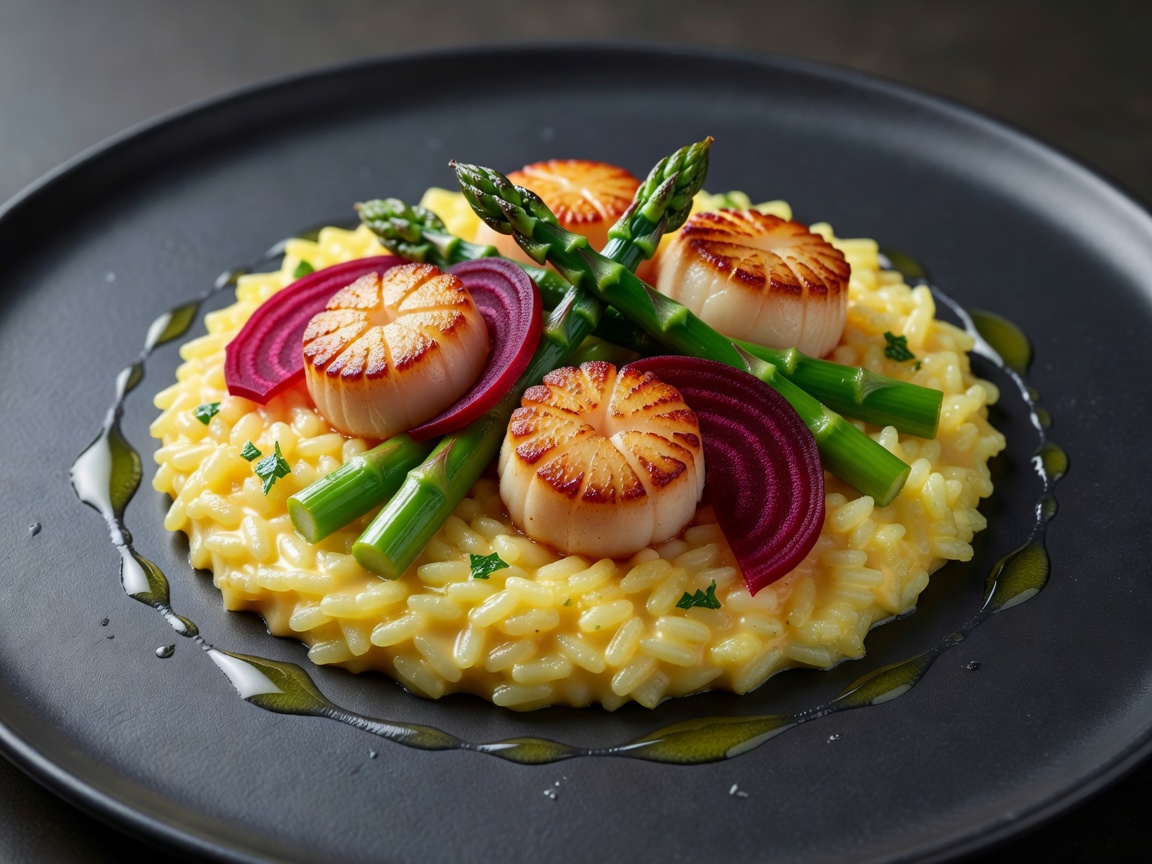
04 / The composed plate
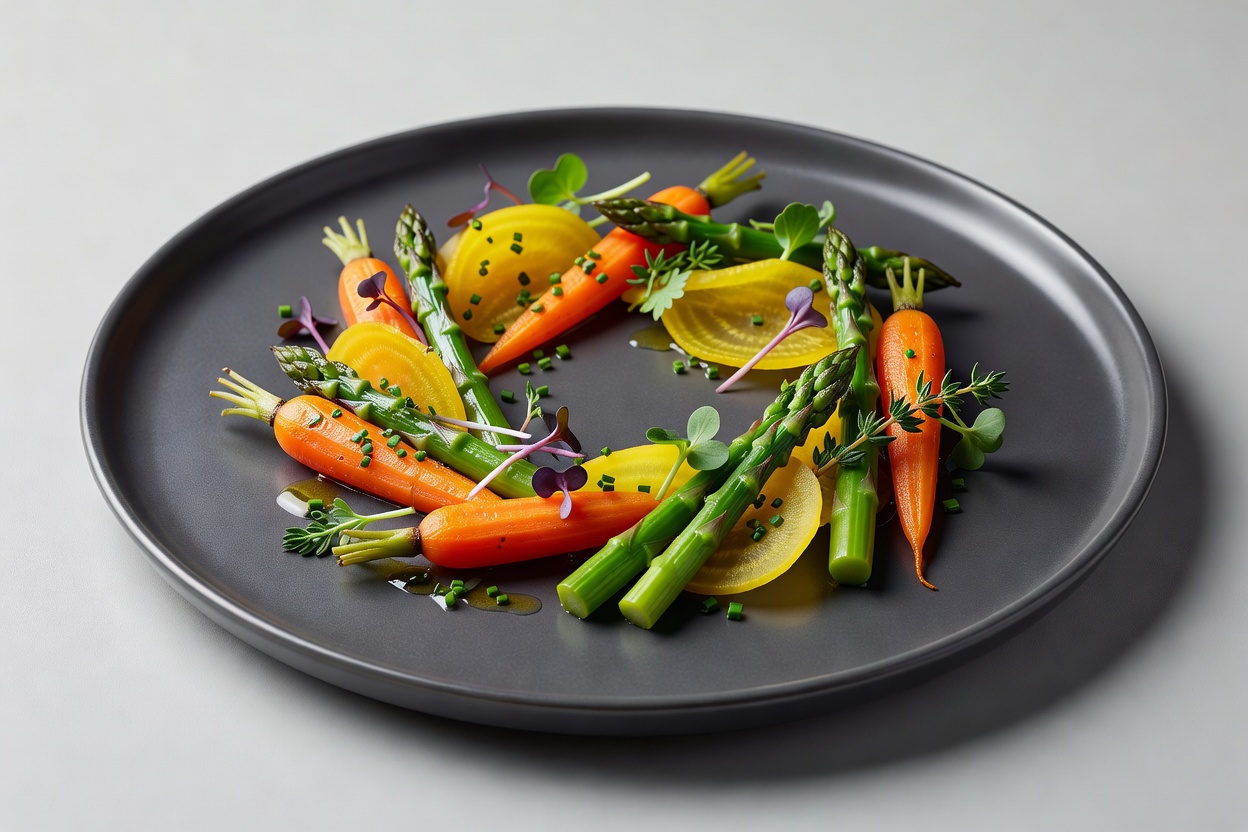
Look at negative space, color, height, texture and tableware—and how presentation can clarify a dish’s character.
Explore the guide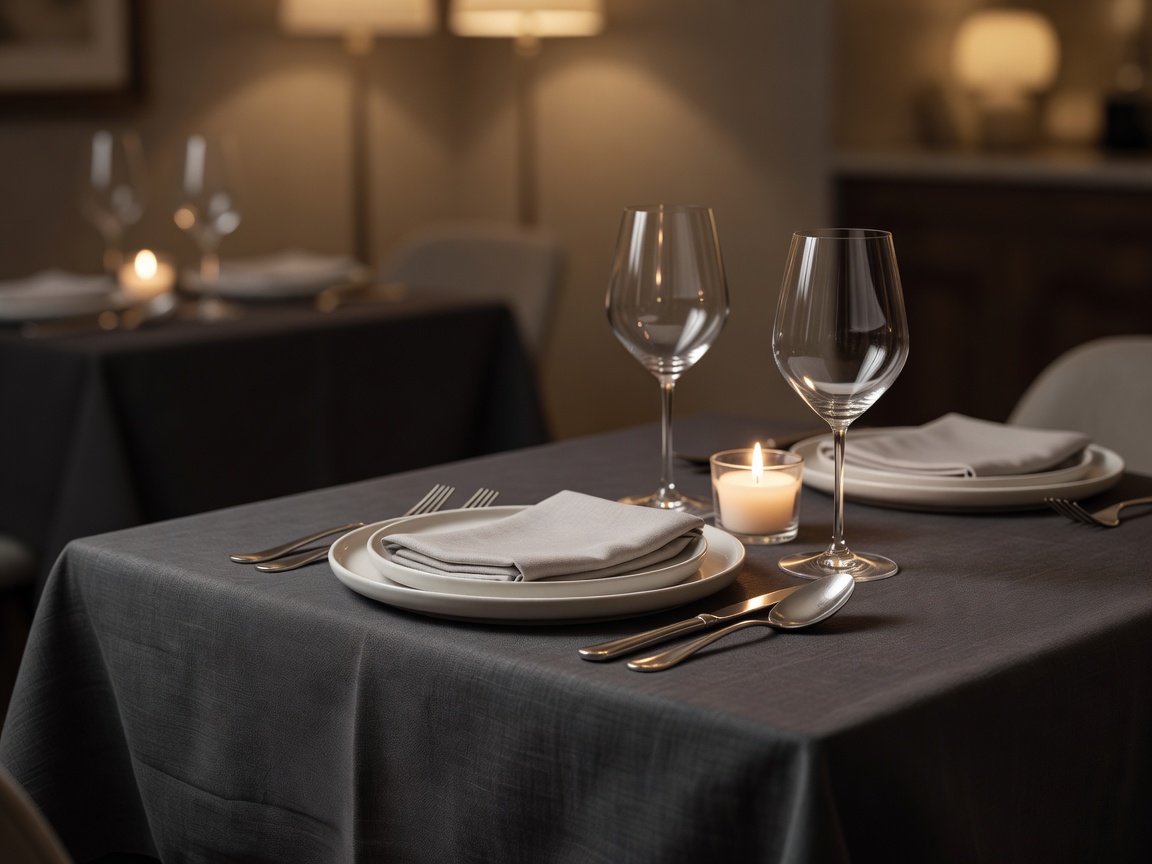
05 / Away from home
Plan with confidence: learn about food cities, reservations, menu formats, local customs and practical dining etiquette.
Explore the guideA / The complete picture
A dish begins long before it reaches the table. Ingredient choices establish its character; technique changes what those ingredients can become. Timing brings the elements together, while presentation gives the eye a first impression. Attentive service completes the sequence, allowing each course to arrive at its best.
When the parts feel coherent, refinement need not announce itself. A crisp edge, a fragrant herb, a warm plate or a pause between courses can carry as much intention as an elaborate garnish.
Read about ingredient craft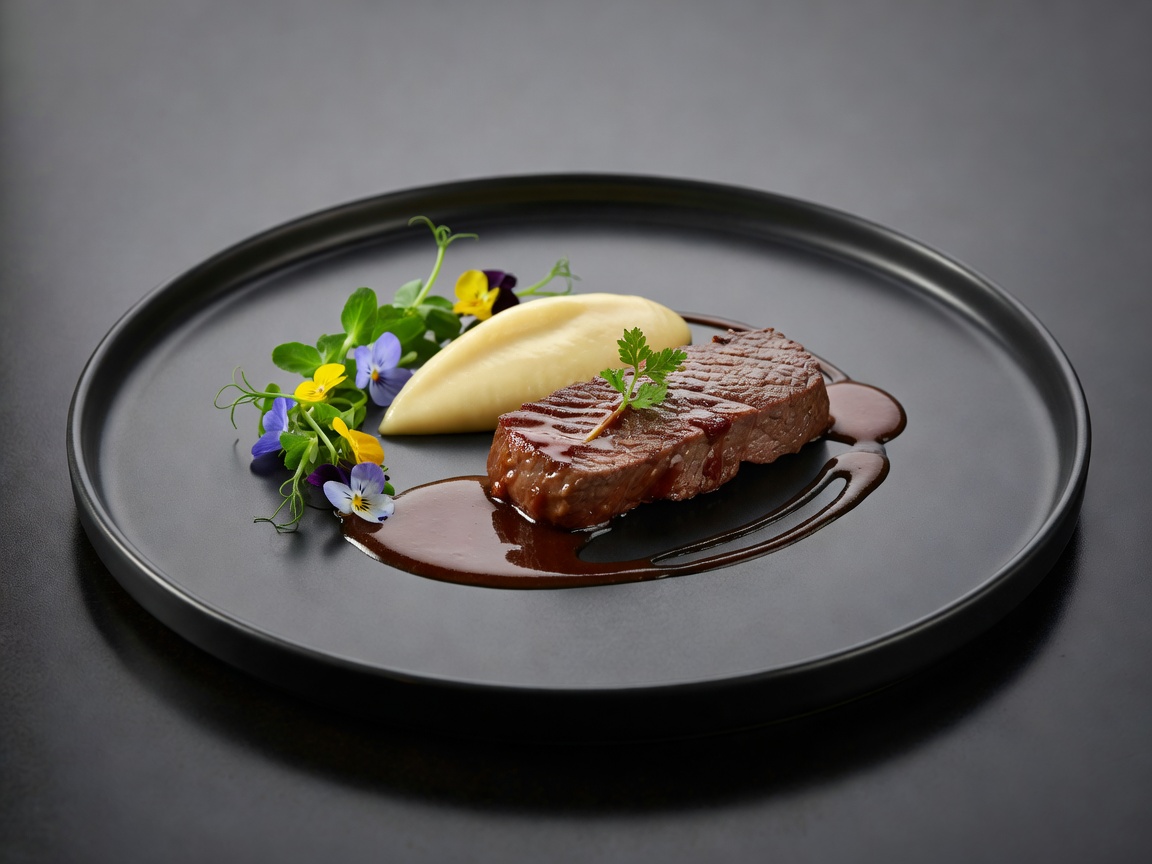
B / The meal in motion
A possible progression, not a fixed formula. Menus shift with the restaurant, its point of view and the season.
A small, bright opening may introduce a season or set a gentle pace.
Courses can deepen in flavor, moving between freshness, warmth and richer texture.
A change in temperature, acidity or scale offers contrast and resets attention.
A savory finish and a measured dessert can bring the meal to a satisfying close.
There is no universal course order. A thoughtful menu makes its own rhythm—and leaves room for surprise.
Explore menu structure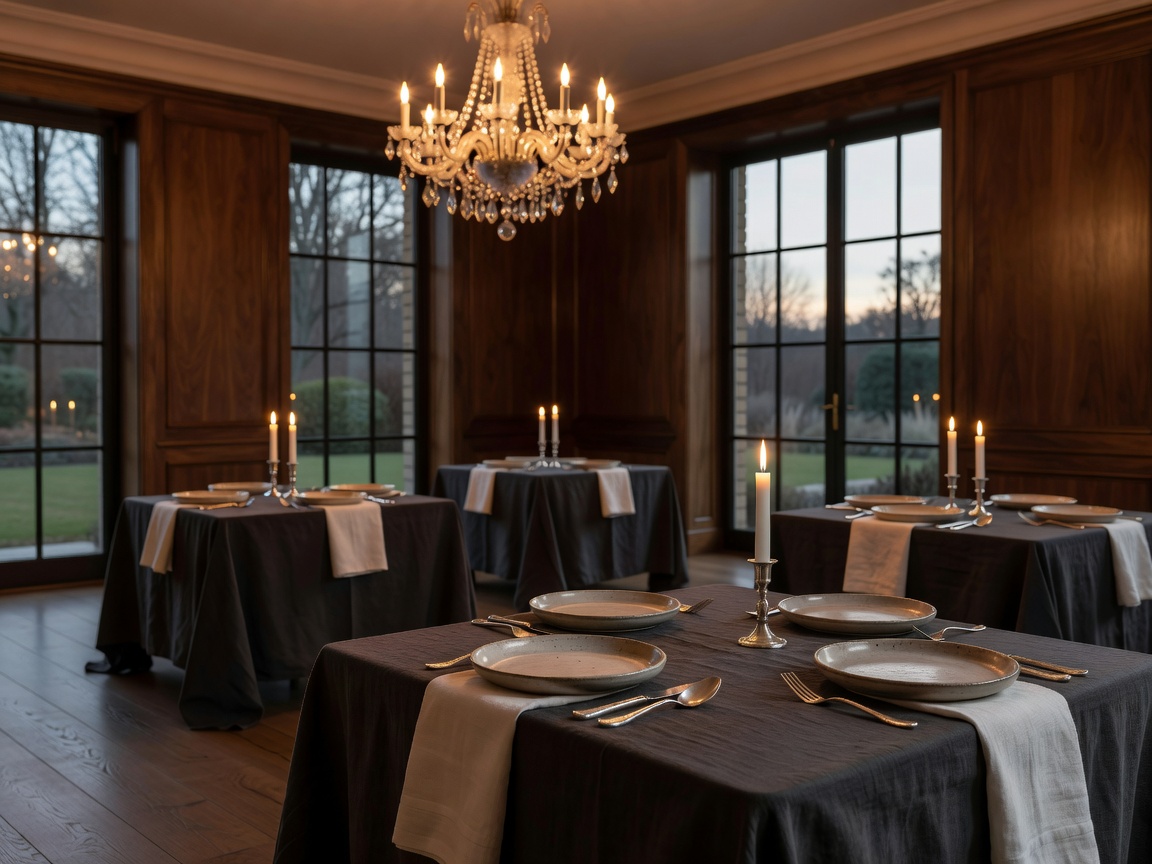
C / The room around you
Soft light can make a room feel intimate; good acoustics let conversation breathe. Table spacing, the weight of a glass and the texture of linen all contribute to how comfortably a guest settles in. These details do not replace the food. They give it a setting.
Notice how service moves through a room, where the eye rests, and whether the atmosphere supports the kind of evening you want. Interior preferences are personal, but comfort is part of the experience.
Read the interiors guideD / Ingredients in focus
Ingredient-led cooking starts with attention: to freshness, origin, texture and the moment a product is at its best.
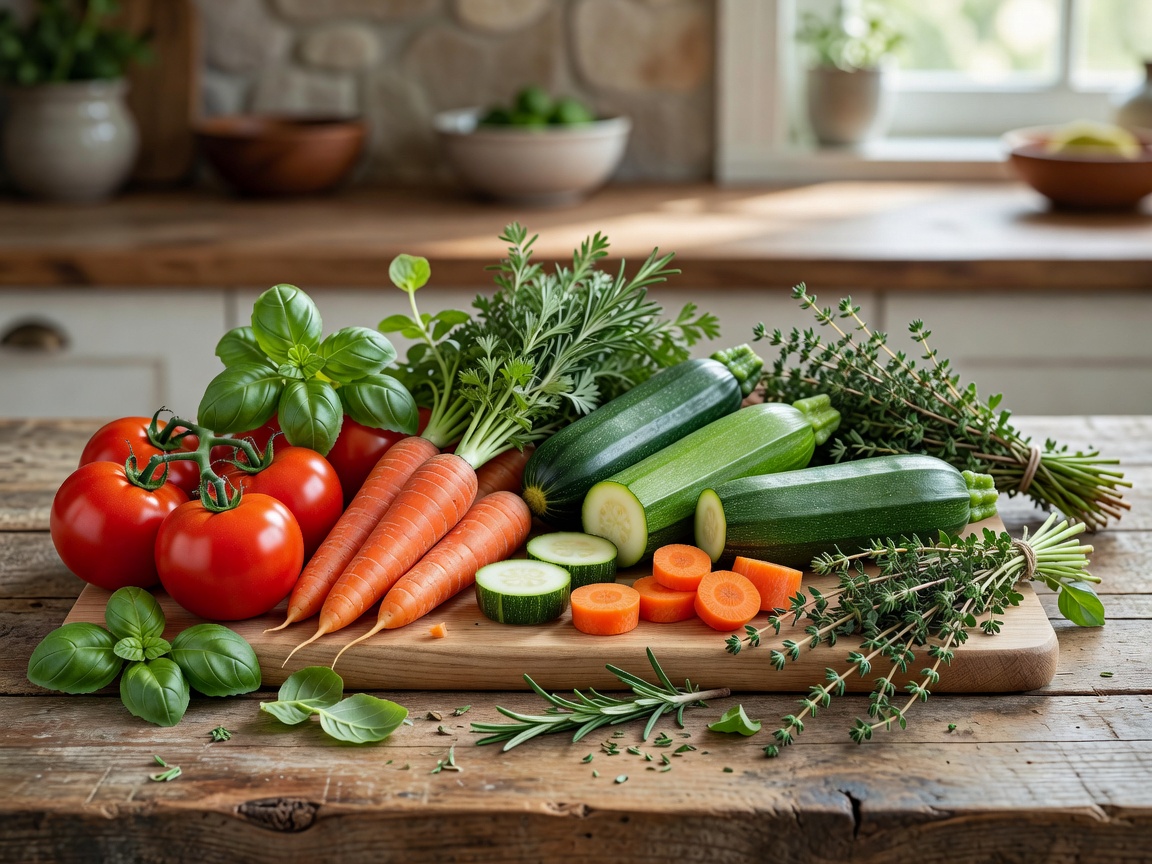
Seasonal note / late harvest
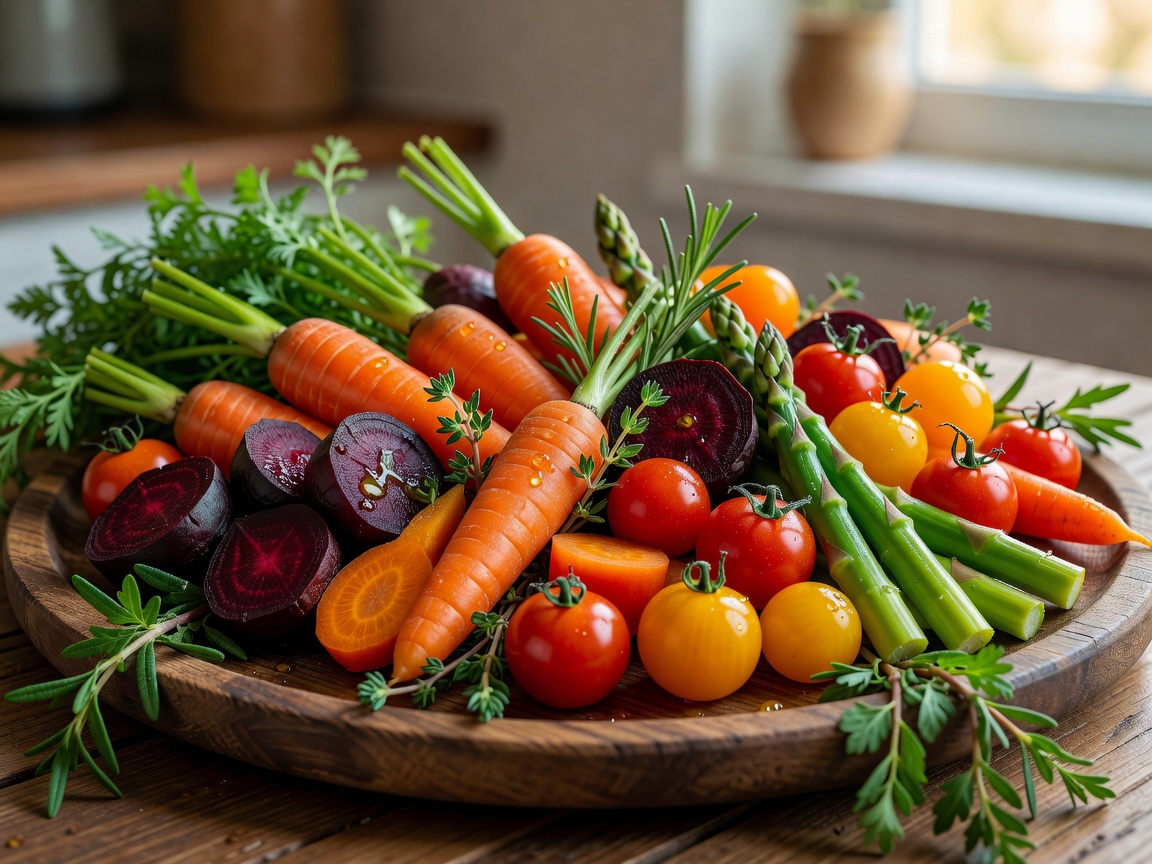
Fresh herbs lift a rich sauce with fragrance. Citrus can sharpen sweetness or bring a clean finish to oily fish. Roots offer earthy sweetness, especially when roasted until their edges caramelize. Used with care, these ingredients add definition rather than decoration.
Follow the ingredient
Continue exploring
Start with a course, a technique, a room or a place. Follow the details that make you curious.
Privacy controls
Essential storage remembers your consent choice. Optional categories remain off unless you choose them. This journal does not currently run analytics.