The meal in chapters
What makes a tasting menu?
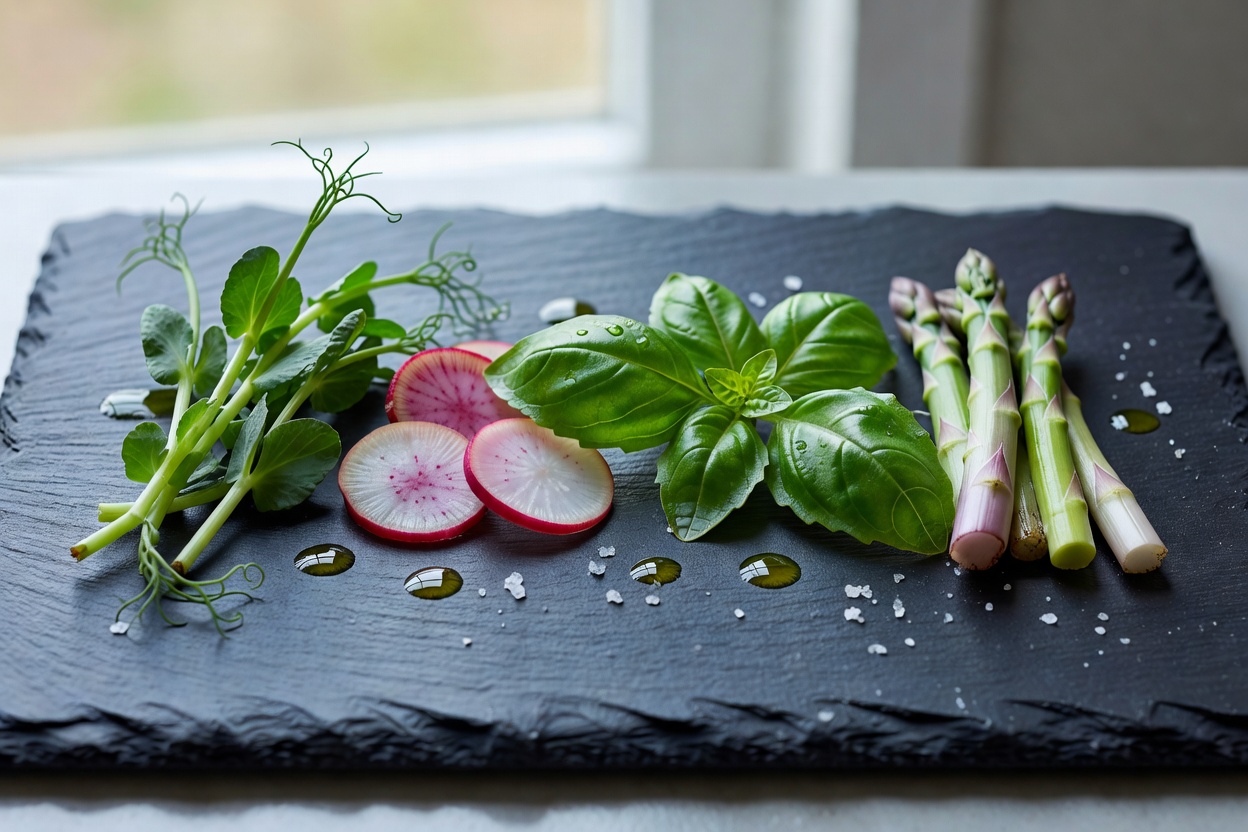
A tasting menu offers a planned sequence of dishes, usually in smaller portions than a conventional main course. Rather than choosing one plate from a long list, a guest follows the kitchen’s selection. That format can make room for variety: a crisp bite, a warm broth, a vegetable course and a sweet finish, each contributing a different note.
Course count is not a measure of quality. A compact menu can feel complete when its flavors, textures and pacing are considered. A longer one asks for more time and appetite, and requires especially careful variation so that the meal remains engaging rather than tiring.
Structure, season and identity
A menu often begins with lighter flavors and gradually builds intensity, though there is no universal order. A kitchen might alternate a cool, acidic preparation with something warm and savory, then introduce a richer course before returning to freshness. Changes in temperature and texture help the palate stay attentive. Acidity can brighten a fatty ingredient; a crisp element can bring relief to a tender one.
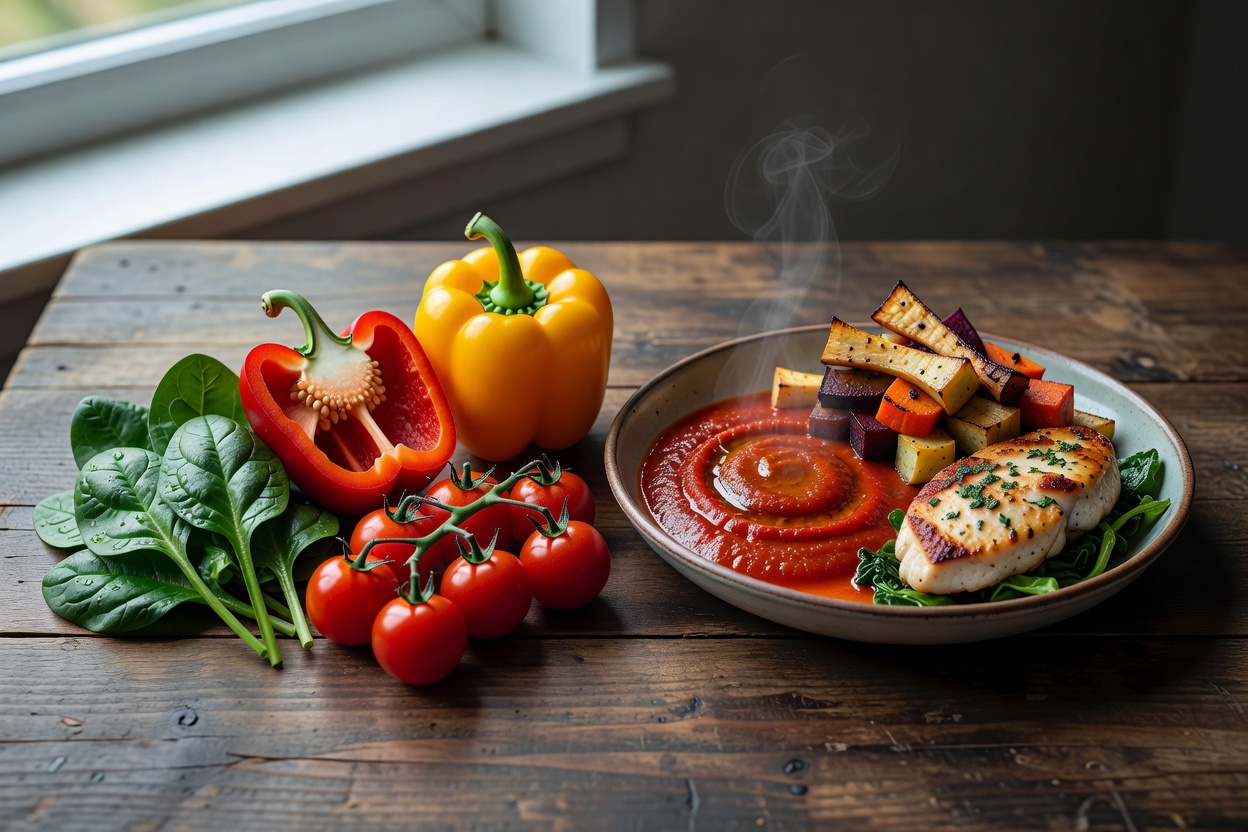
Seasonality gives a menu its raw material and its limits. A short-lived vegetable may appear while it is at its sweetest, while a preserved ingredient can carry a flavor beyond its harvest. Availability depends on climate, suppliers and the restaurant’s sourcing choices. A seasonal menu is therefore not simply a calendar translated onto a plate; it reflects what a kitchen can obtain and how it wants to treat it.
The course sequence can express culinary identity. One restaurant may make vegetables the center of attention; another may build a menu around seafood, a regional pantry or a particular cooking tradition. The restaurant’s voice is often clearest in the way ingredients are handled and connected, rather than in a single signature flourish.
Portions, pace and palate fatigue
Smaller portions allow more dishes to be tasted, but they still add up. Thoughtful pacing gives guests time to enjoy each course and lets the kitchen serve food at the right temperature. A pause between dishes can be part of the rhythm, not an inconvenience. If you are planning an evening, allow a generous stretch of time and avoid scheduling a tight commitment immediately afterward.
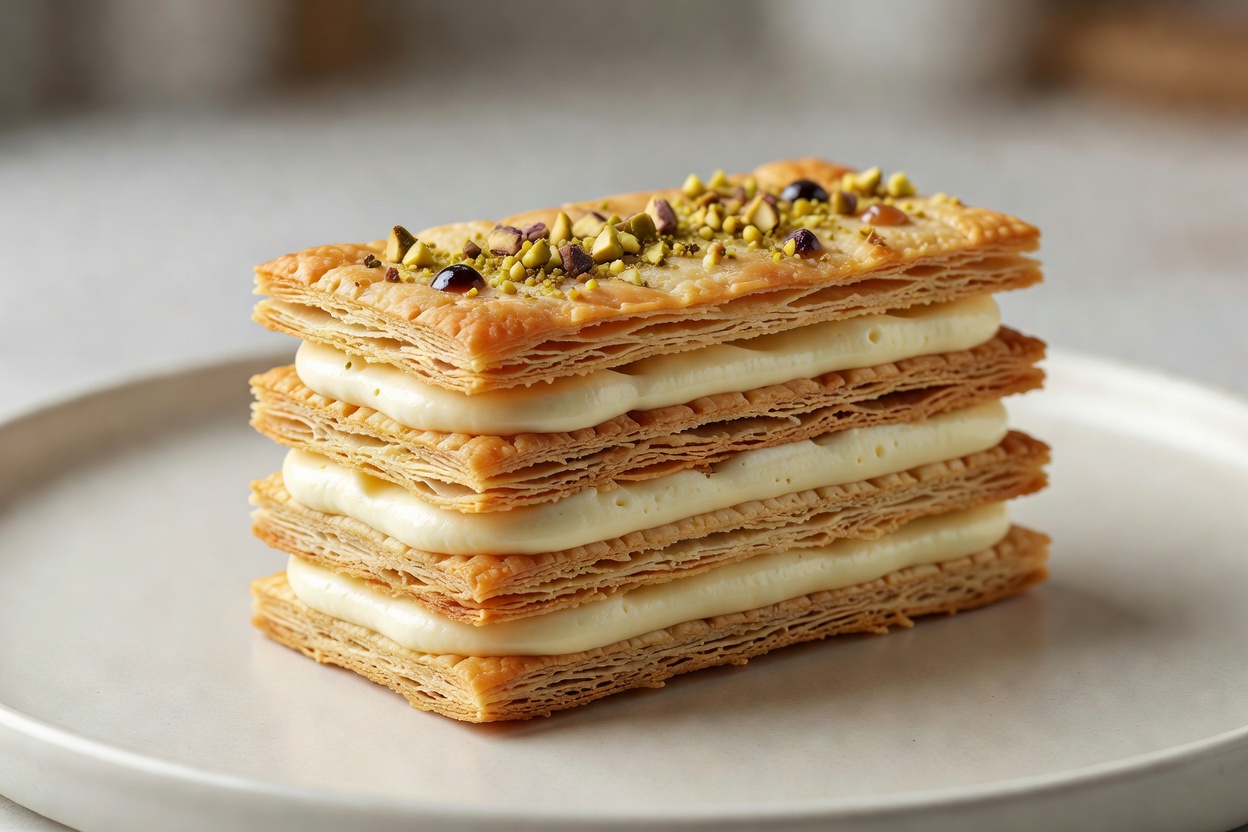
Palate fatigue can develop when every course is rich, intensely seasoned or texturally similar. Cooks can counter it with bitter greens, citrus, delicate broths, fresh herbs or a change in temperature. Variation matters more than a rigid rule about what must come first or last. A tasting menu benefits from a sense of movement: lift, depth, rest and resolution.
Vegetables, seafood and alternatives
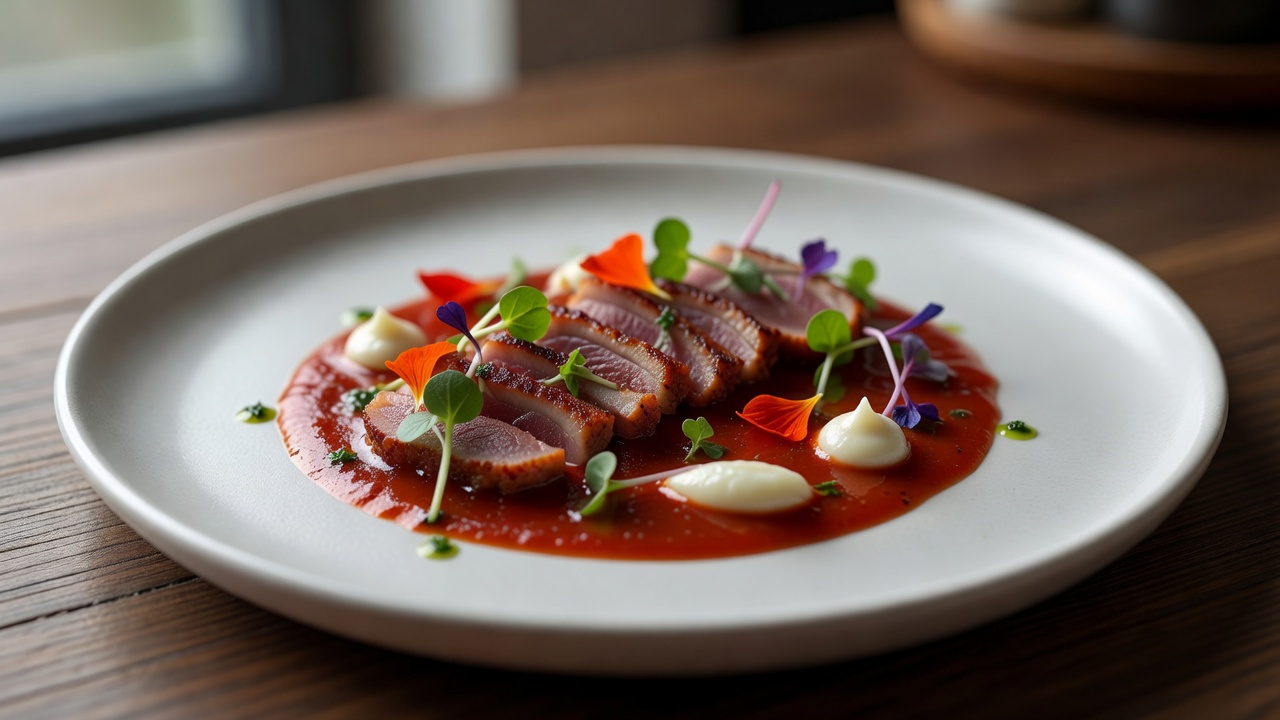
Vegetable-led tasting menus can move beyond the idea of a side dish. Roasting concentrates sweetness; brief cooking can preserve a clean, green flavor; fermentation may add acidity or savory depth. A seafood-led sequence can explore delicate textures and saline notes, but responsible sourcing and the condition of the catch remain important considerations. These approaches are not competing categories. A menu can move between them while keeping a clear center of gravity.
Optional beverage pairings may be offered alongside a menu, but they are not essential to enjoying it. Ask whether there are non-alcoholic pairings, individual drinks or simply water and tea. A considered non-alcoholic option might use herbs, fruit, tea or fermentation for complexity without imitating an alcoholic drink. Availability and format vary, so it is useful to ask before the visit.
Fixed menu or à la carte?
A fixed tasting menu gives the kitchen control over sequence and can create a more connected narrative. It may also mean less choice, a longer meal and a higher total commitment. À la carte dining gives guests more control over dishes, portion count and timing, though it may offer less of the kitchen’s intended progression. Neither format is inherently superior. The right choice depends on appetite, budget, schedule and how much guidance you enjoy.
Dietary needs deserve direct, early communication. Contact the restaurant before booking and describe allergies or restrictions clearly. Some kitchens can adapt a menu; others may have practical limits, especially when a sequence depends on shared bases or advance preparation. Never assume that a dietary accommodation is confirmed until the venue has explicitly said so. Be equally clear about allergies and preferences, which are not the same request.
Before You Book
- Check the current menu format, estimated duration and price directly with the venue.
- Ask in advance whether allergies or dietary requirements can be accommodated.
- Confirm the cancellation terms, arrival expectations and any deposit conditions.
- Ask what non-alcoholic drinks or pairing alternatives are available.
- Consider whether a long, fixed sequence suits your appetite and schedule.
What to Know
A tasting menu is an invitation to give the kitchen some control over your evening. In return, a guest can experience a range of ingredients, techniques and ideas in a considered order. The trade-off is flexibility: course length, price, service pace and accommodation options differ from one restaurant to another and may change. Verify current details rather than relying on an old review or a photograph of a past menu.
| Format | What it offers | Worth considering |
|---|---|---|
| Tasting menu | A planned progression selected by the kitchen | Time, fixed sequence, dietary flexibility and total cost |
| À la carte | More choice over dishes and meal length | Less of a guided sequence; portions and pacing vary |
Keep exploring
See how technique gives seasonal produce its character, or consider the room that shapes the pace of a meal.