Attention before action
Begin with the ingredient
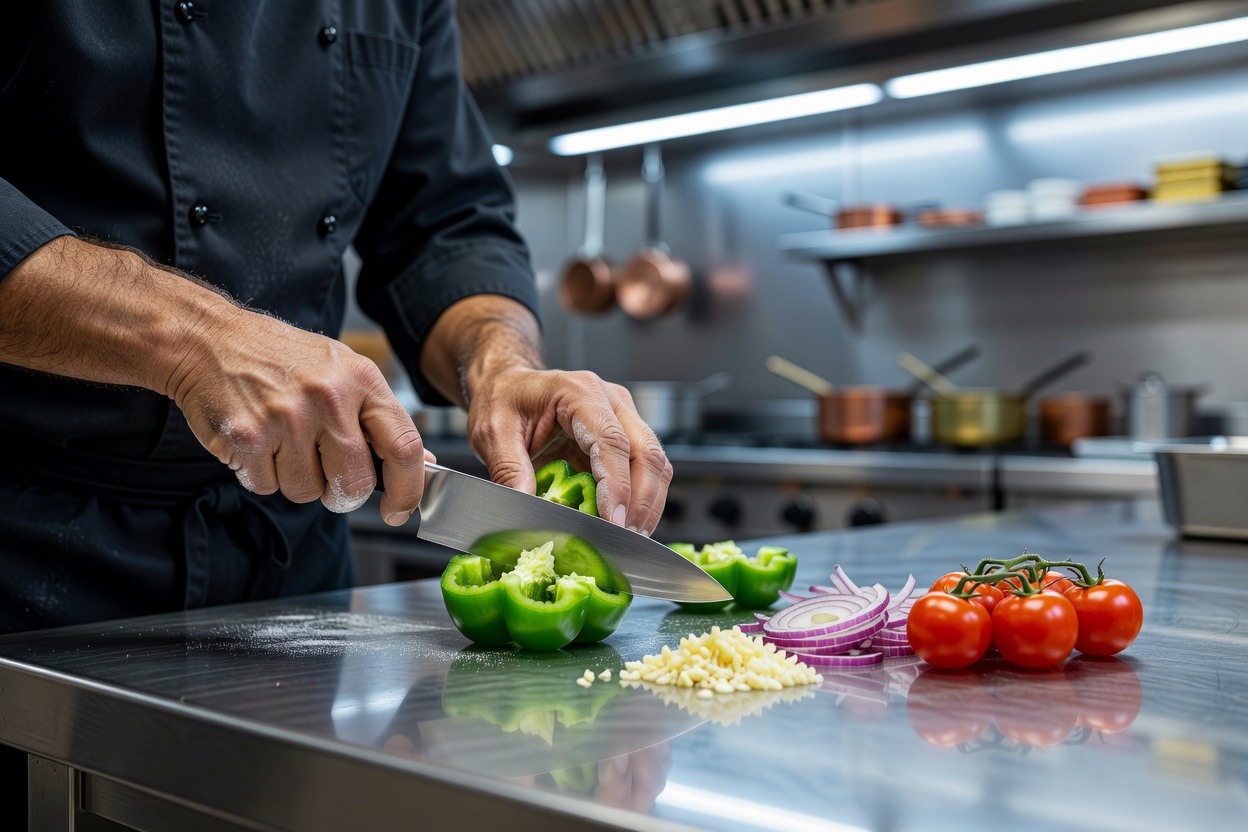
Good cooking starts with understanding what is in front of you. Seasonality affects flavor, texture and availability; sourcing shapes what a kitchen can reasonably work with. A ripe tomato needs little intervention, while a sturdy root may benefit from patient heat. Freshness is not an abstract ideal but a practical question: how was the ingredient handled, how long has it traveled, and what preparation suits its condition?
Ingredient quality does not mean buying the rarest product. It means choosing thoughtfully, using what is at its best and treating it with care. A simple preparation can make the character of a well-grown vegetable clear. A more assertive technique may be appropriate when an ingredient needs depth, tenderness or preservation.
Preparation changes the result
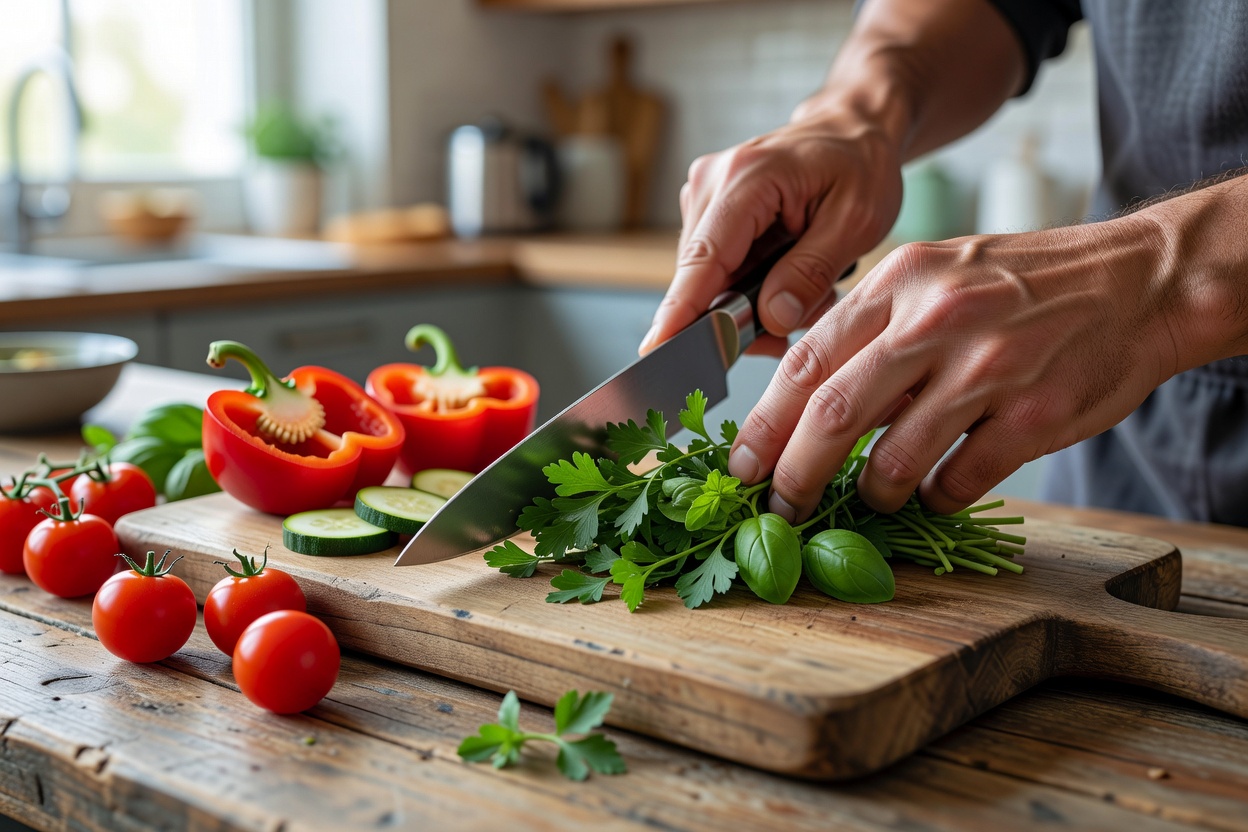
Knife work affects more than appearance. A fine dice cooks quickly and evenly; a larger cut holds its shape and gives a different bite. Consistent pieces help ingredients cook at a similar rate. In a busy kitchen, careful preparation is also a form of timing: it makes the next steps more controlled.
Roasting uses dry heat to brown surfaces and concentrate flavor. Browning creates savory, toasted notes, but it requires attention because the line between deeply colored and bitter can be narrow. Gentle methods—steaming, poaching or low-temperature cooking—can preserve tenderness and delicate aromas. They are not automatically better; they may produce less surface color and call for a separate step if a browned finish is wanted.
Sauces, time and concentrated flavor
An emulsion is a mixture of liquids that would normally separate, held together by agitation and, often, an ingredient such as egg yolk or mustard. A stable emulsion can feel silky and carry flavor evenly, but too much fat or poor balance can make it heavy. A reduction is a liquid simmered until water evaporates and its flavor becomes more concentrated. Reduction can bring depth, though it also intensifies salt and sweetness, so seasoning must be reassessed as the liquid cooks.
Fermentation relies on microorganisms to transform ingredients over time. It can add tang, aroma and savory depth; preservation extends a harvest beyond its brief peak. These processes need appropriate controls and food-safety practices. Their value lies in the flavor and texture they create, not in novelty for its own sake.
Temperature, seasoning and balance
Temperature determines texture as much as doneness. A pan that is too cool can steam an ingredient when browning was intended; excessive heat can dry the exterior before the center is ready. Resting meat after cooking can help juices redistribute, while a sauce may need to be served warm rather than piping hot to keep its aroma in balance. Exact timings depend on the ingredient, size and equipment.
Seasoning is a process of adjustment. Salt can sharpen perception and bring flavors into focus, but it cannot rescue an unbalanced dish. Acidity—from citrus, vinegar or a fermented ingredient—can lift richness. Bitterness can add structure; sweetness can soften an edge. Herbs and aromatics contribute fragrance, and their intensity changes with how and when they are used. Delicate leaves may be added at the end; woody herbs can withstand longer cooking.
Pastry’s particular precision
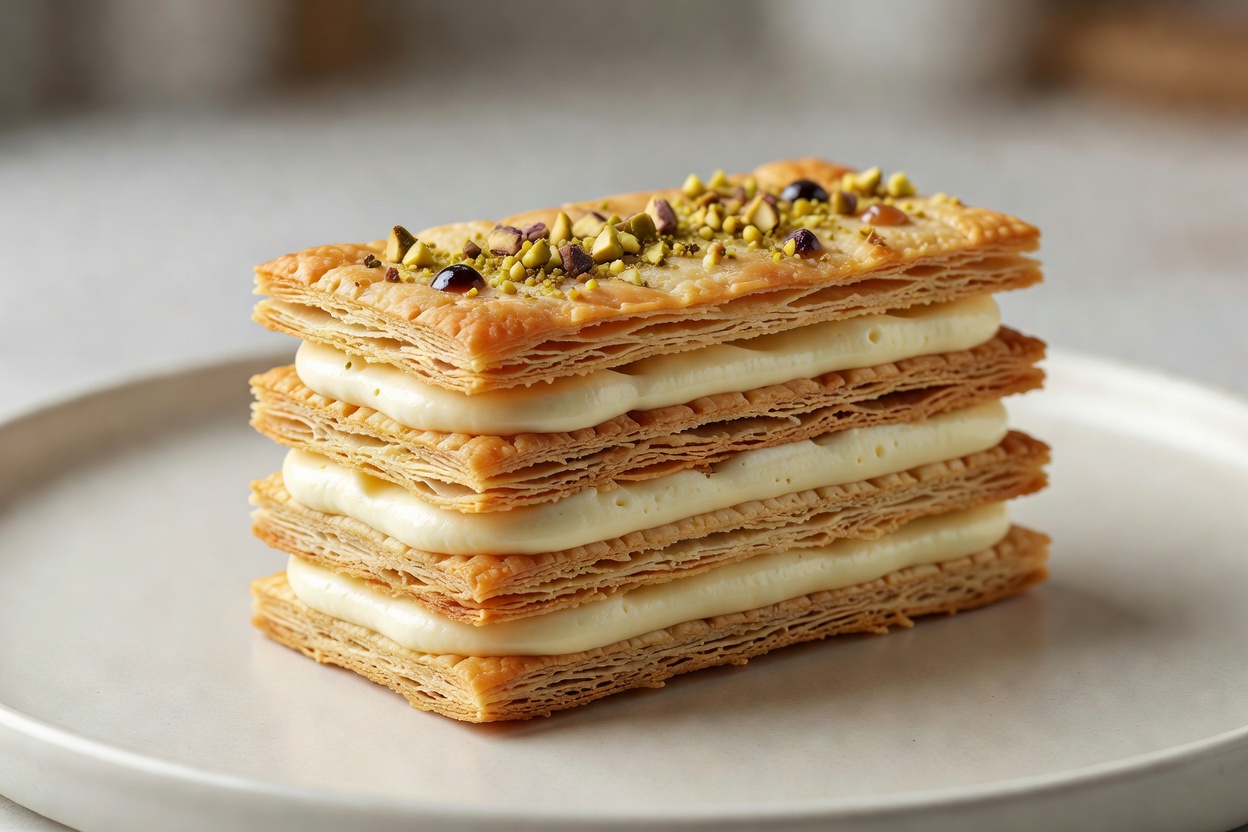
Pastry often depends on measured ratios, controlled temperatures and consistent technique. Butter that is too warm can change the structure of a dough; overmixing can make it tough. Chilling, resting and accurate baking all affect the final texture. These details are not rules for their own sake: they make delicate results repeatable. A pastry course can still feel expressive, but its structure is frequently built through precision.
Technique in Focus: one ingredient, different paths
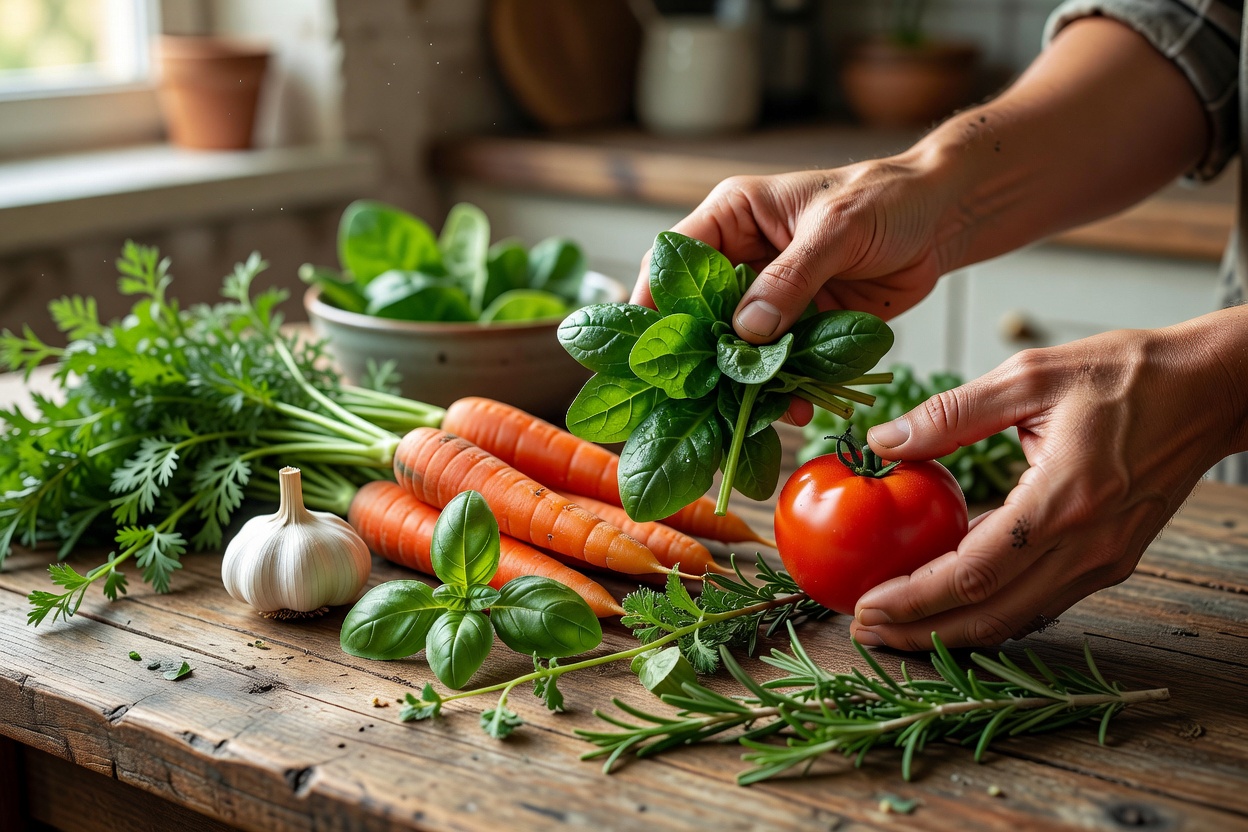
Consider a carrot. Roasting can concentrate its sweetness and bring browned edges. Steaming preserves a clean flavor and tender texture. Quick pickling adds acidity and crunch. A purée creates a soft, continuous base. Each choice changes the ingredient’s role in the dish. Combining too many treatments may create visual complexity without adding clarity; a few distinct textures can be more legible and enjoyable.
Ingredient-quality checklist
- Choose produce that looks and smells fresh for its variety and season.
- Consider texture and ripeness, not appearance alone.
- Ask how an ingredient will be used before deciding how to prepare it.
- Keep raw and ready-to-eat foods separate and follow safe handling guidance.
- Taste as you work; adjust seasoning after concentration or reduction.
- Prefer a clear flavor idea over techniques added only for spectacle.
Plating is the final stage of cooking
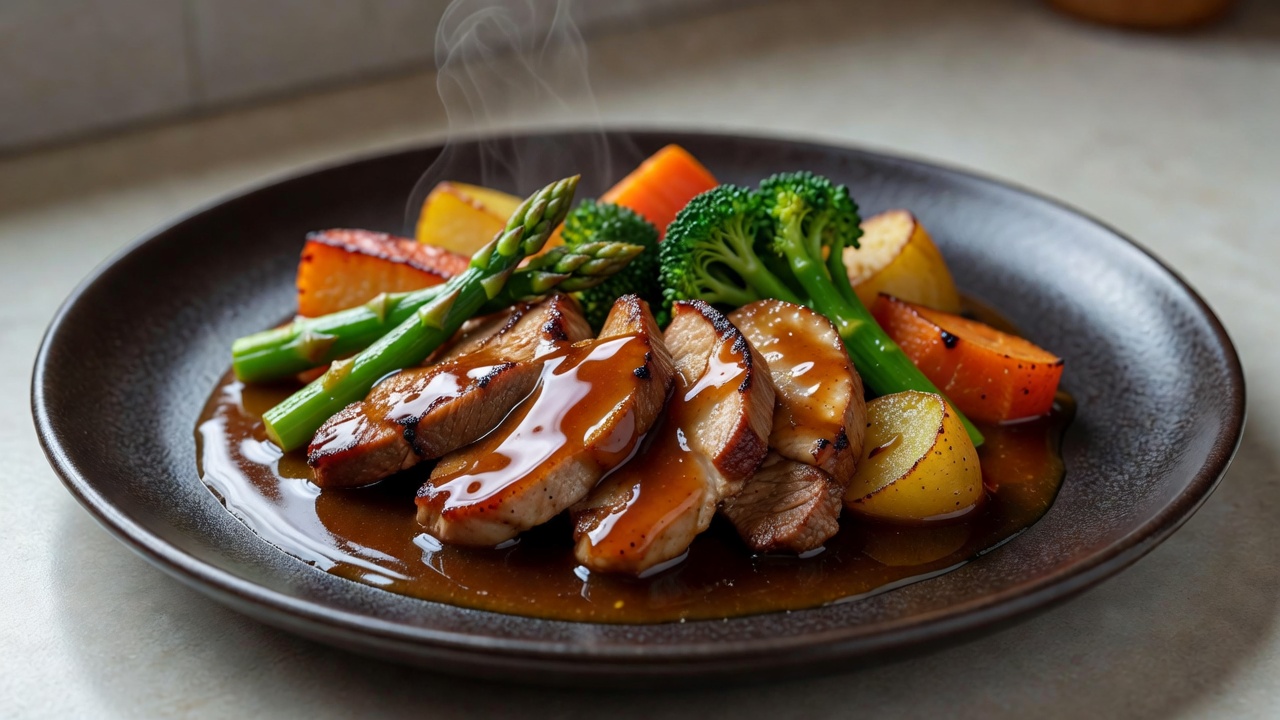
Presentation can preserve temperature, direct a first bite and make textures easy to discover. It is part of the cooking process, but it should not become a separate performance that distracts from flavor. A sauce placed with intention should be easy to taste; a garnish should contribute aroma, freshness or texture. The best finish feels connected to what came before it.
Technique is most persuasive when it makes an ingredient more itself. The cook’s judgment lies in knowing when to intervene, when to wait and when to stop.