The environment of a meal
First impressions, then comfort
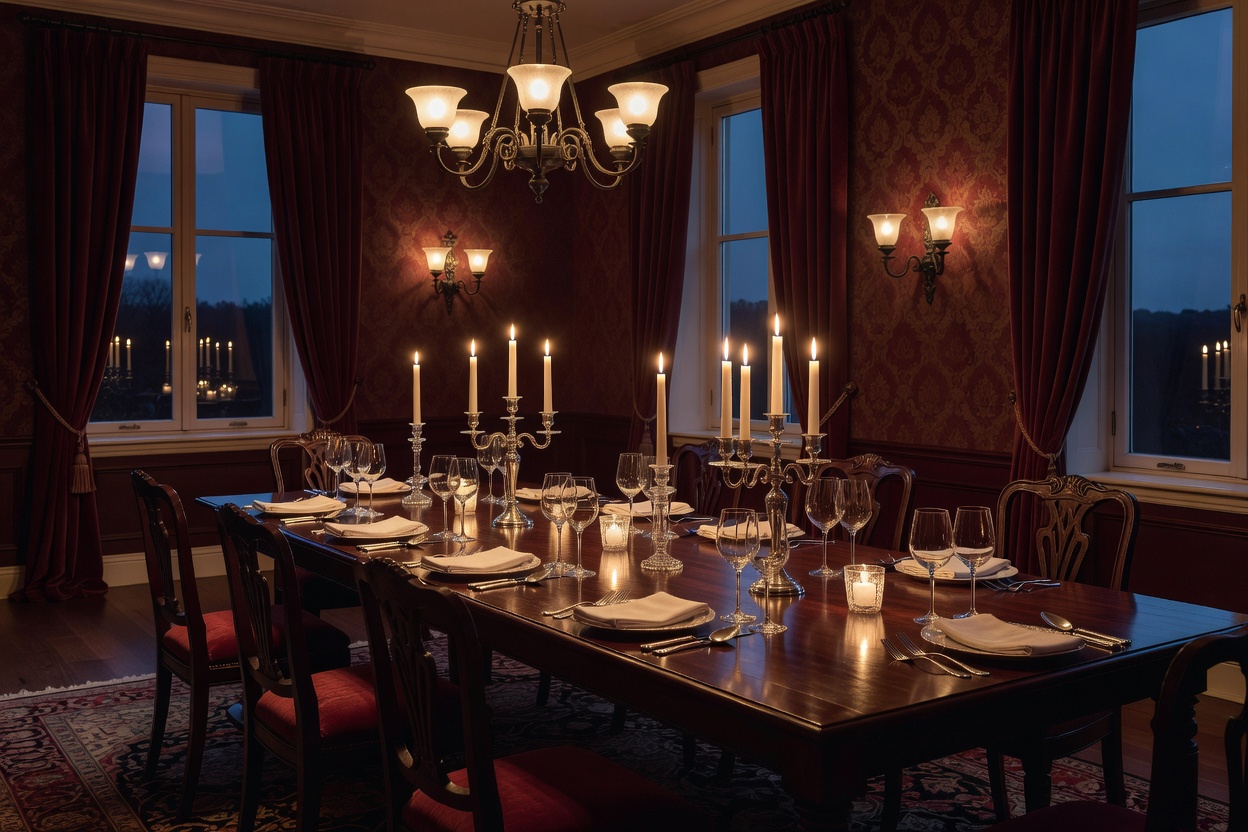
Entering a restaurant is a sensory transition. The threshold, the first view of the room and the welcome from staff all establish an initial pace. A dining room can be dramatic and still feel comfortable; it can be restrained yet memorable. Design succeeds when its atmosphere supports the people using the space, not only the camera looking at it.
Architecture and food can speak to one another. A kitchen built around fire might use tactile stone and warm, durable surfaces. A vegetable-led concept may favor daylight, natural textures or a garden relationship. These connections can be subtle. They are not proof of culinary quality, and visual polish alone cannot establish how well a restaurant cooks or cares for guests.
Light and color
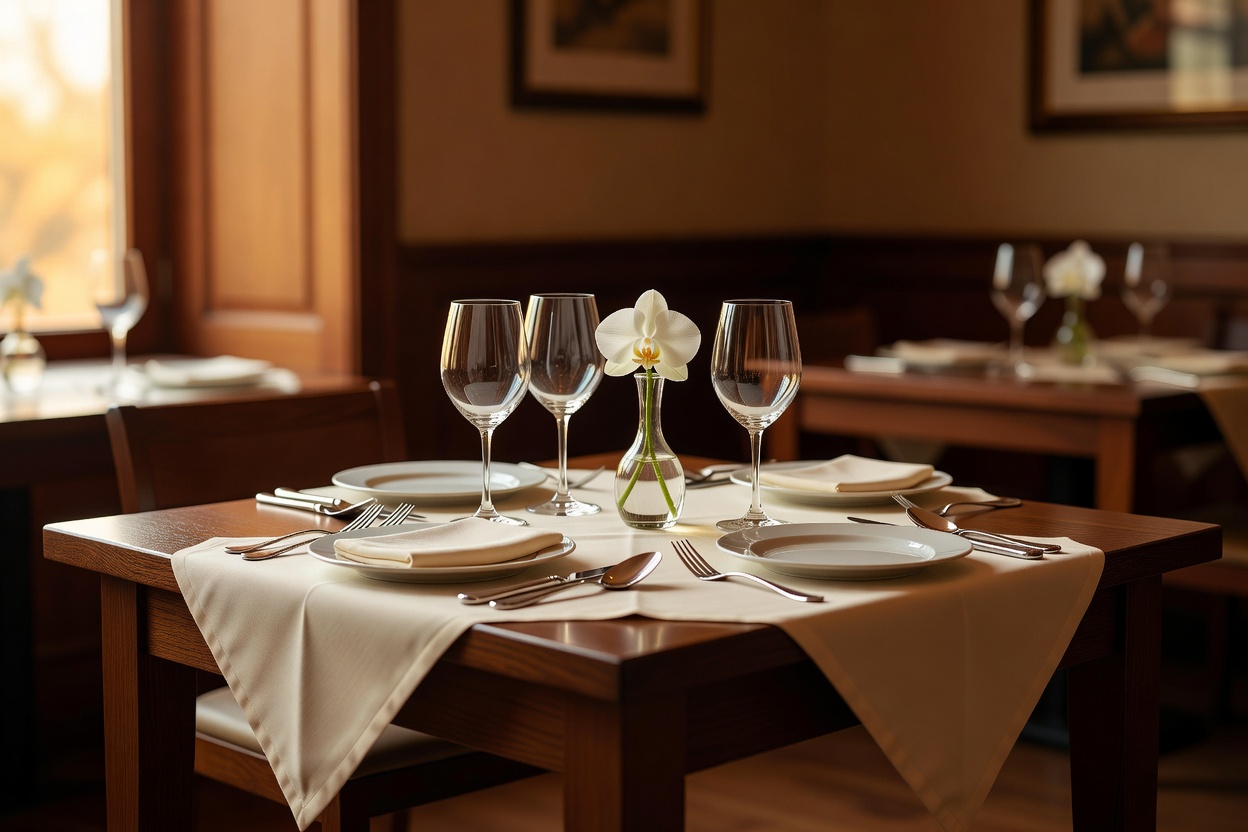
Lighting affects both mood and practical comfort. Warm, low light can feel intimate, while brighter illumination makes menus easier to read and colors easier to see. A balanced room may combine ambient light with focused pools at the table. Glare on glassware, deep shadow across a menu or an overly bright source can interrupt the experience. Color temperature—the perceived warmth or coolness of a light source—also changes how wood, fabric and food appear.
Color choices can quiet a room or give it energy. Deep hues may feel enveloping; pale surfaces can make a smaller room feel open. Neither choice is inherently more refined. The relationship between surfaces, light and the intended atmosphere matters more than a fashionable palette.
Acoustics and privacy
Sound is easy to overlook in photographs. Hard stone, glass and metal surfaces reflect noise; curtains, upholstered seating and acoustic treatments can soften it. The goal is not necessarily silence. A gentle hum can make a dining room feel lively, while excessive reverberation makes conversation tiring. Music level, kitchen sound and the density of guests all contribute.
Table spacing changes how private or communal a meal feels. A close arrangement may suit a bustling neighborhood room; more distance can make long conversations easier. Booths, screens and varied seating offer different degrees of separation. Preferences differ: some guests enjoy the energy of an open room, while others need a quieter corner or additional space.
Materials, tableware and seating
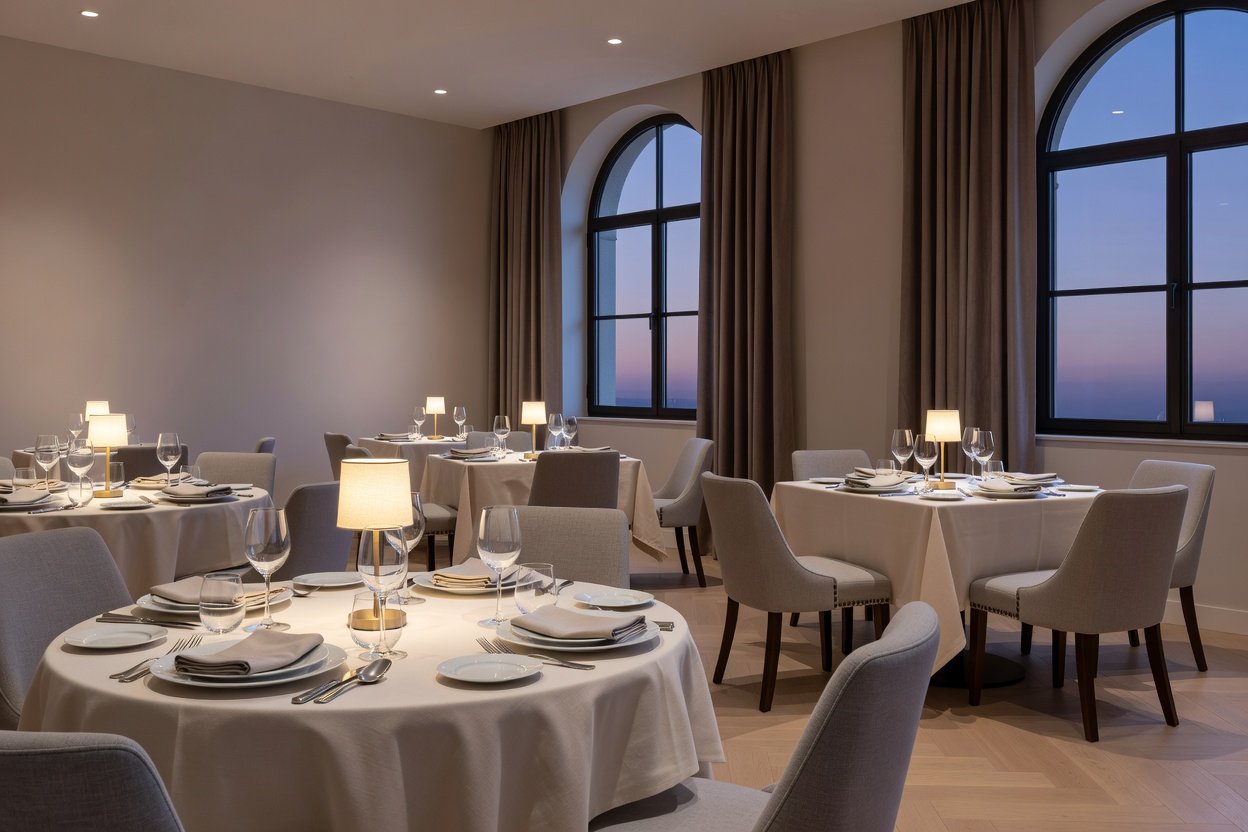
Stone, timber, fabric, metal and ceramic each bring a distinct temperature and texture. Stone can feel cool and grounded; wood adds visual warmth; fabric absorbs sound and softens a seat. Durable finishes must also withstand spills, cleaning and everyday use. Good material choices balance beauty with maintenance and comfort.
Tableware is part of the room’s tactile vocabulary. A ceramic plate can give a dish a handmade quality; a lighter glass may feel delicate, while a substantial piece can suggest permanence. Cutlery should be comfortable to hold and appropriate to the food. A table setting that looks refined but feels awkward is not serving its purpose.
Seating comfort matters over a whole meal, not just a quick photograph. Chair height, back support and table clearance affect posture. A beautiful chair may be uncomfortable for a long tasting menu. Design decisions have trade-offs, and a guest’s body, mobility and preferences shape what feels welcoming.
Circulation, service and open kitchens
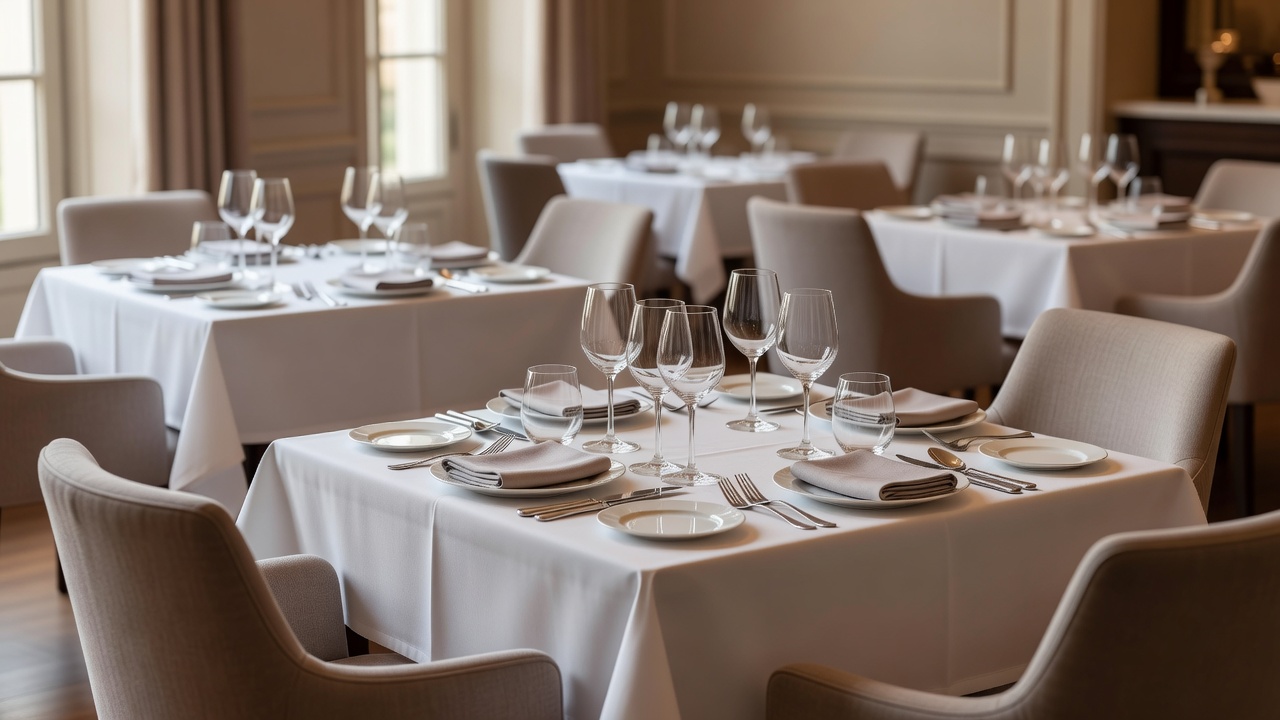
Circulation is the path staff and guests move through. Clear routes help servers carry dishes safely, allow guests to reach their seats and reduce interruption. Tight turns, crowded coat areas or a service station beside a quiet table can affect comfort. Good planning often feels effortless because the movement it supports goes unnoticed.
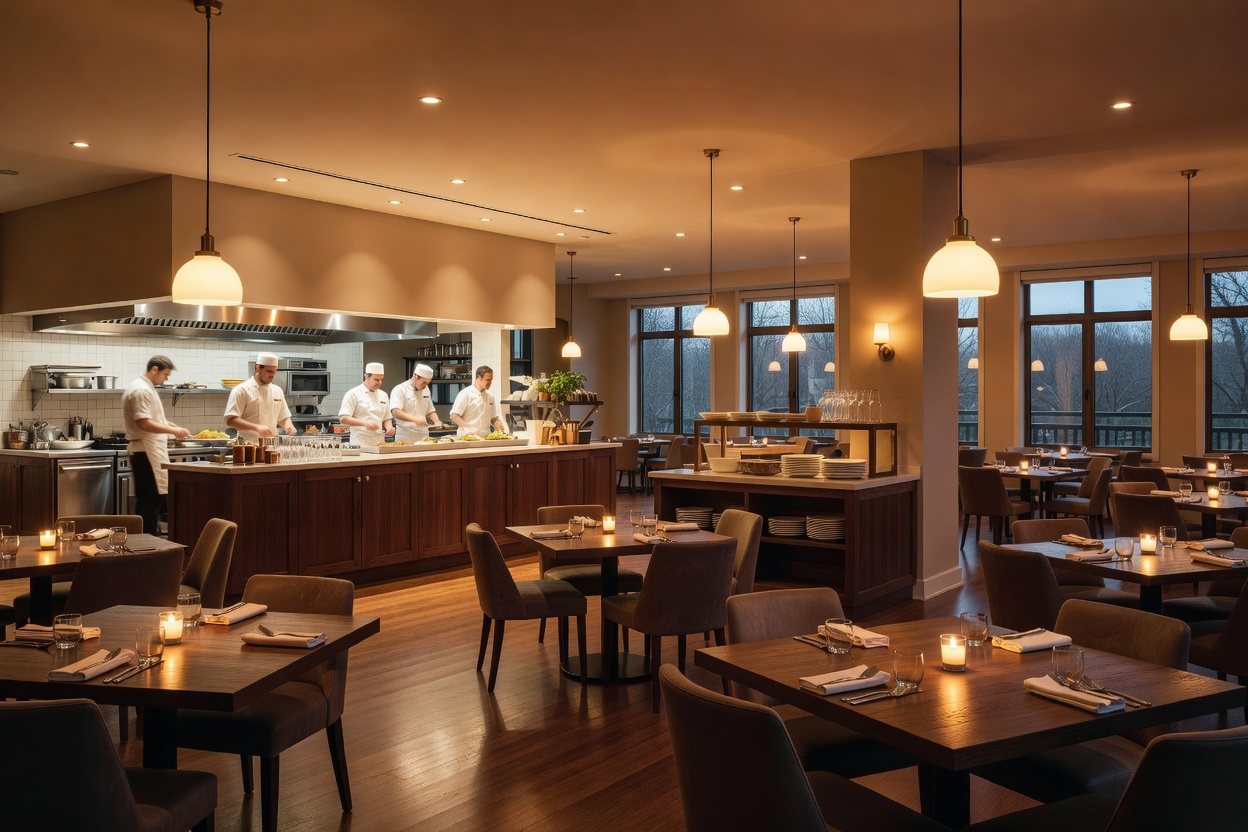
An open kitchen offers a view of preparation and can create a lively connection between cooking and dining. A chef’s counter may bring guests close to the work, while making the sounds, warmth and motion of a kitchen more present. Some diners enjoy that transparency; others prefer a quieter table. Service visibility is a design choice, not a universal requirement.
Private dining rooms offer separation for groups and occasions, but they can change the energy of a meal. The experience depends on proportion, acoustic treatment, lighting and how naturally staff can move in and out. Privacy should not come at the cost of a room that feels isolated or difficult to serve.
What to notice when entering
Give yourself a moment to register the room. Can you read the menu comfortably? Is conversation easy at your table? Does the seat feel supportive? Notice whether staff have clear movement paths and whether the atmosphere suits the kind of evening you planned. These observations are more useful than a quick judgment based only on a room’s visual style.
Design details checklist
- Lighting is comfortable for reading and eating, without distracting glare.
- Conversation feels possible at the likely noise level.
- Table distance and seating suit your preferences and accessibility needs.
- Tableware and cutlery feel practical as well as considered.
- Service paths seem clear and do not routinely interrupt the table.
- The room’s style supports, rather than overwhelms, the occasion.
A room is part of the experience—not a verdict
A beautifully designed dining room cannot guarantee thoughtful cooking, warm service or comfort for every guest. Interior preferences are subjective, and access needs vary. If you have a specific requirement, contact the venue to ask about seating, step-free entry, restroom access, lighting or noise. Direct information is more reliable than an assumption based on photographs.